How Joy Meets Riley: Pixar Revisits Inside Out’s Opening
A new Set the Scene video revisits Joy’s first meeting with Riley, opening a window onto the storyboards, character choices and visual ideas behind Inside Out.
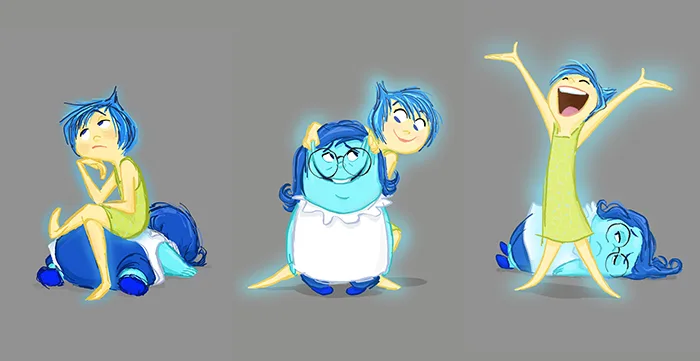
The short answer: A new Set the Scene video revisits Joy’s first meeting with Riley, opening a window onto the storyboards, character choices and visual ideas behind Inside Out.
In this article
Joy’s first meeting with Riley gives Inside Out an immediate storytelling challenge: introduce a girl and turn an emotion into someone audiences can follow. A new episode of Pixar’s Set the Scene, published October 27, 2026, returns to that opening with the filmmakers who helped build it.
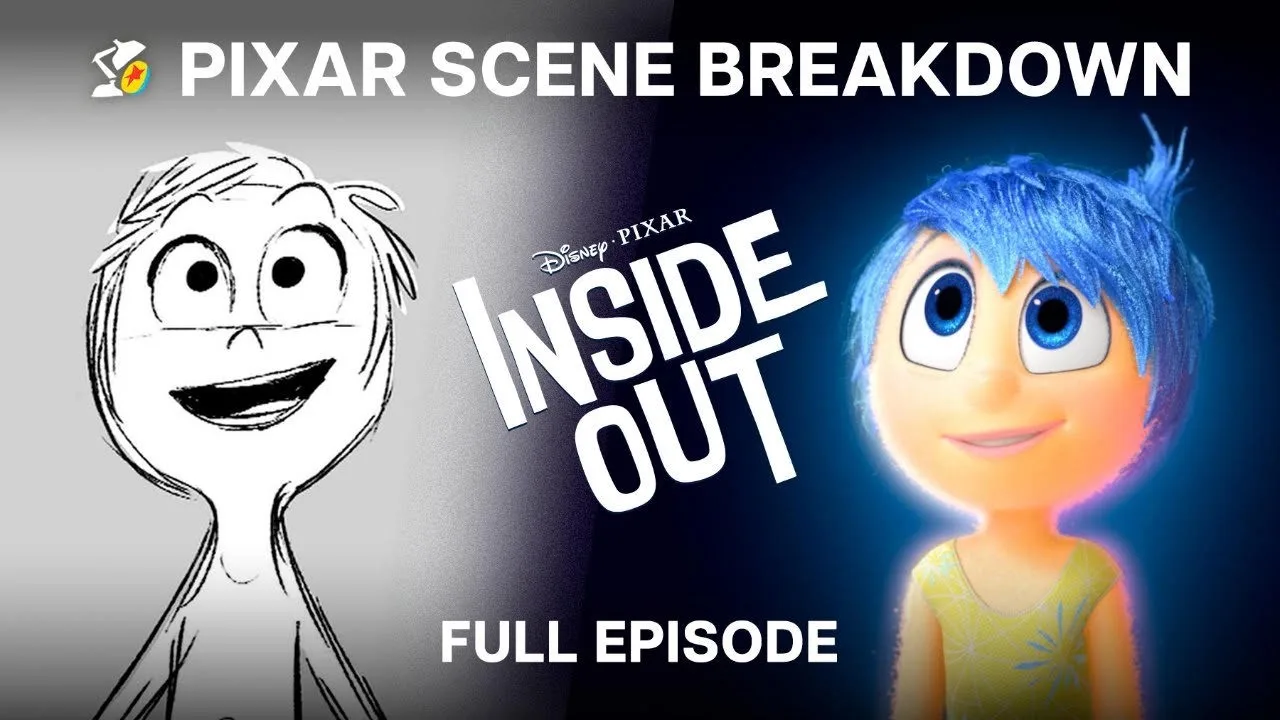
Director Pete Docter, producer Jonas Rivera, editor Kevin Nolting and story supervisor Ronnie Del Carmen explore the sequence through storyboards, film clips and concept art. Those materials trace the development of a moment that introduces the movie’s unusual world.
The idea began with something familiar. In a 2015 D23 interview, Docter recalled noticing his 11-year-old daughter becoming quieter and wondering what was happening in her head. Personifying emotions offered an animation-friendly way into that question. In the film, Riley’s move from Minnesota to San Francisco puts those competing feelings under pressure.
Building a mind audiences could follow
Some of the earliest choices were about making the premise understandable. In its October 27, 2026 coverage of the episode, Laughing Place reports that Del Carmen quickly drew an initial storyboard of Riley’s birth to test a sequence the team was unsure about including. The outlet also describes how giving the emotions conventional names made them harder to distinguish, and how the filmmakers debated whether a control panel would make Riley seem like a robot without a will of her own.
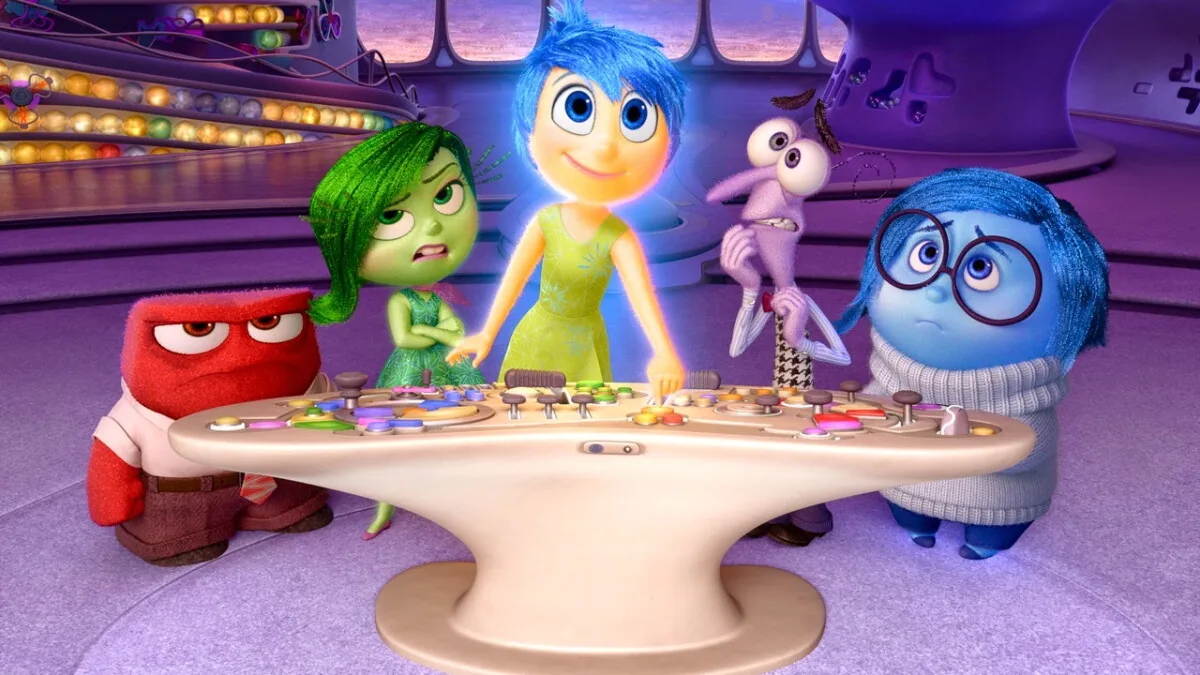
Familiar language helped give the mind a visible form. As LAist’s The Frame reported, the team used metaphors for mental processes to turn concepts such as long-term memory into parts of Riley’s inner world. Docter also described consulting psychologists, psychiatrists and neurologists to understand emotions and the purposes they serve.
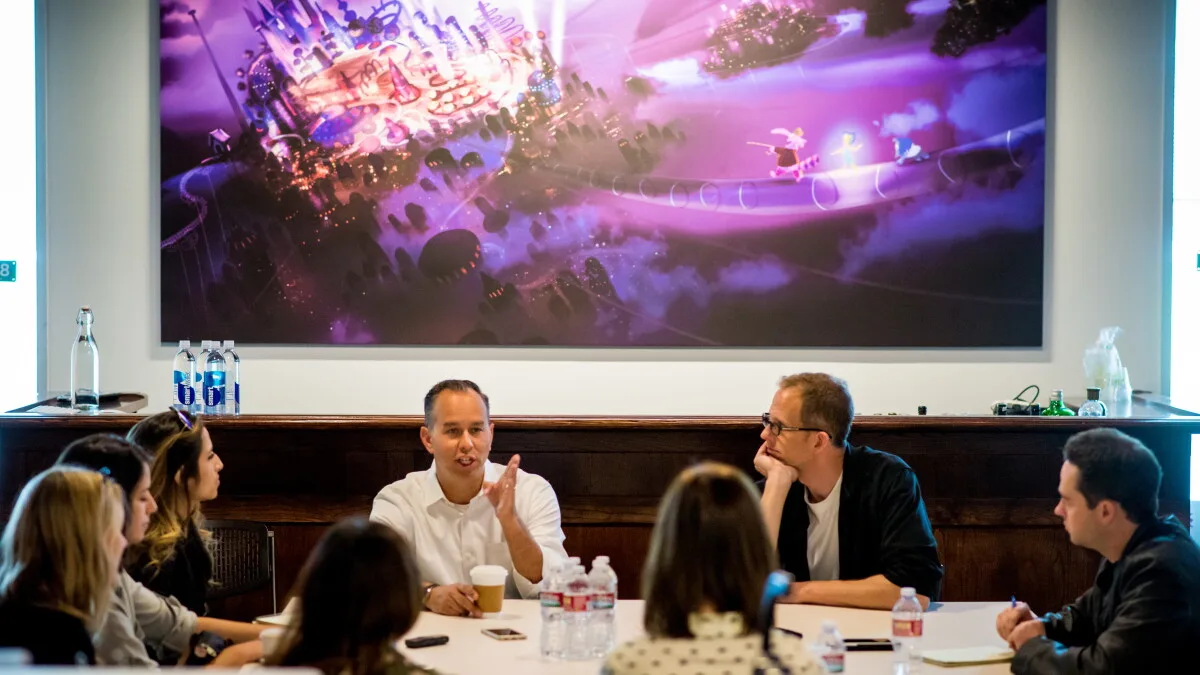
That world did not stay fixed as the story developed. In a 2015 /Film interview, Docter explained that Riley’s inner landscape had to reflect what was at stake outside it: her personality. Rivera described how changes to the story could force the team to rebuild sets, even after they thought those environments were settled.
Nolting’s account adds another part of that process. In a 2021 Art of the Cut interview about Soul, he described working closely with story artists for years before production. Looking back specifically at Inside Out, he said Amy Poehler’s arrival—and writing sessions with Docter—helped the team find an appealing version of Joy. The character needed more than a recognizable emotion; she needed a personality viewers would want to stay with.
Making abstract feelings clear

Docter returned to the relationship between an emotional goal and a team’s visual inventions in a June 2024 Disney interview about Inside Out 2. Discussing collaboration on that sequel, he explained how a director establishes the feeling a film is pursuing:
The director, as soon as he or she is able, is trying to articulate what they’re after emotionally. And then rely heavily on an amazing team of designers, story artists, writers, technical artists, animators to really bring all of that to life in a way that the audience can feel and connect with. Pete Docter, The Walt Disney Company interview about Inside Out 2, June 14, 2024
For the sequel, that meant making feelings such as Ennui, Embarrassment and Anxiety understandable without requiring a psychology lesson. Docter described visual clarity as a priority stretching back to the first film: even a large, abstract concept should become recognizable when audiences see it.
That gives the original opening another point of interest on a rewatch. Beyond introducing Joy, it begins teaching viewers how to read Riley’s inner life. The new behind-the-scenes episode returns to that introduction through storyboards, film clips and concept art.