New Star Wars Creature Compilation Explores the Galaxy’s Monstrous Side
A new Star Wars video spotlights the galaxy’s frightening beasts—a chance to revisit how camouflage, sound and miniature effects helped bring its monsters to life.
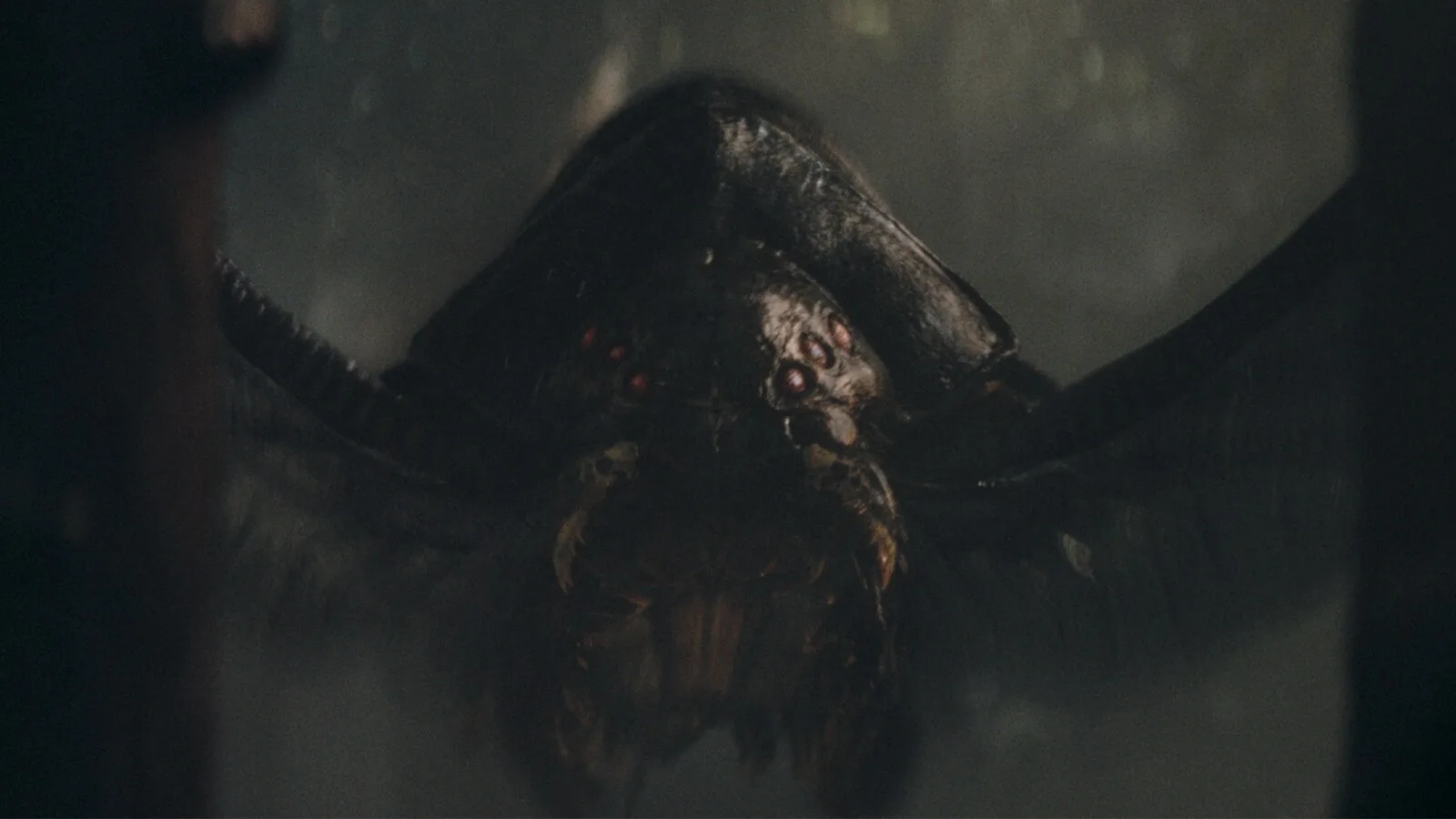
The short answer: A new Star Wars video spotlights the galaxy’s frightening beasts—a chance to revisit how camouflage, sound and miniature effects helped bring its monsters to life.
In this article
Wonder can turn dangerous quickly in Star Wars: a snowy landscape conceals a predator, and murky water hides something with tentacles. The galaxy’s threatening wildlife takes the spotlight in “The SCARIEST Creatures in Star Wars | Compilation,” a new YouTube video published on October 30, 2026.
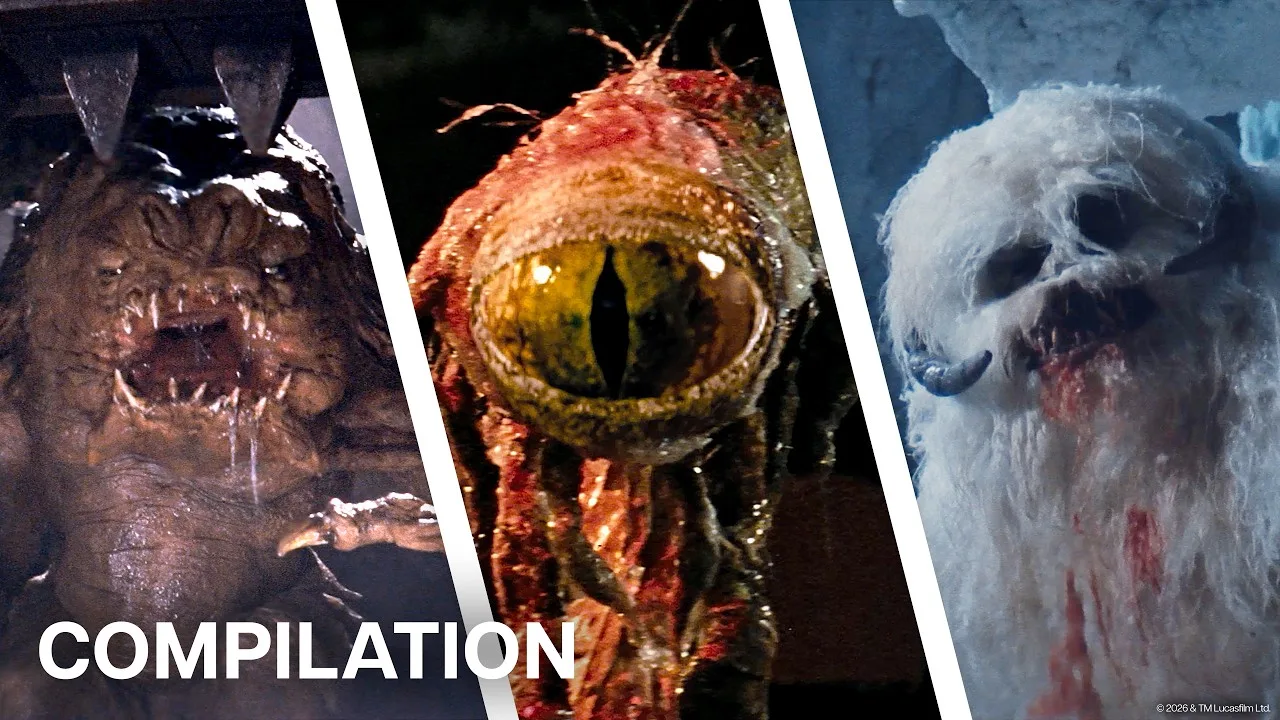
The new video offers a reason to revisit the craft behind the saga’s scares. Three examples from Star Wars production history—the wampa, dianoga and rancor—show how a creature’s surroundings, sound and apparent size can do as much work as its teeth.
A predator hidden in plain sight
On Hoth, the wampa’s pale appearance gives it camouflage against the snow. Getting that predator to work physically was another challenge. Stuart Freeborn built a full-size costume from sheep and goat skins, with stilted boots, but the suit proved cumbersome to move in. The face needed adjustments, too: when one redesign looked too cuddly for George Lucas, Phil Tippett created a more ferocious version.
The danger you can hear
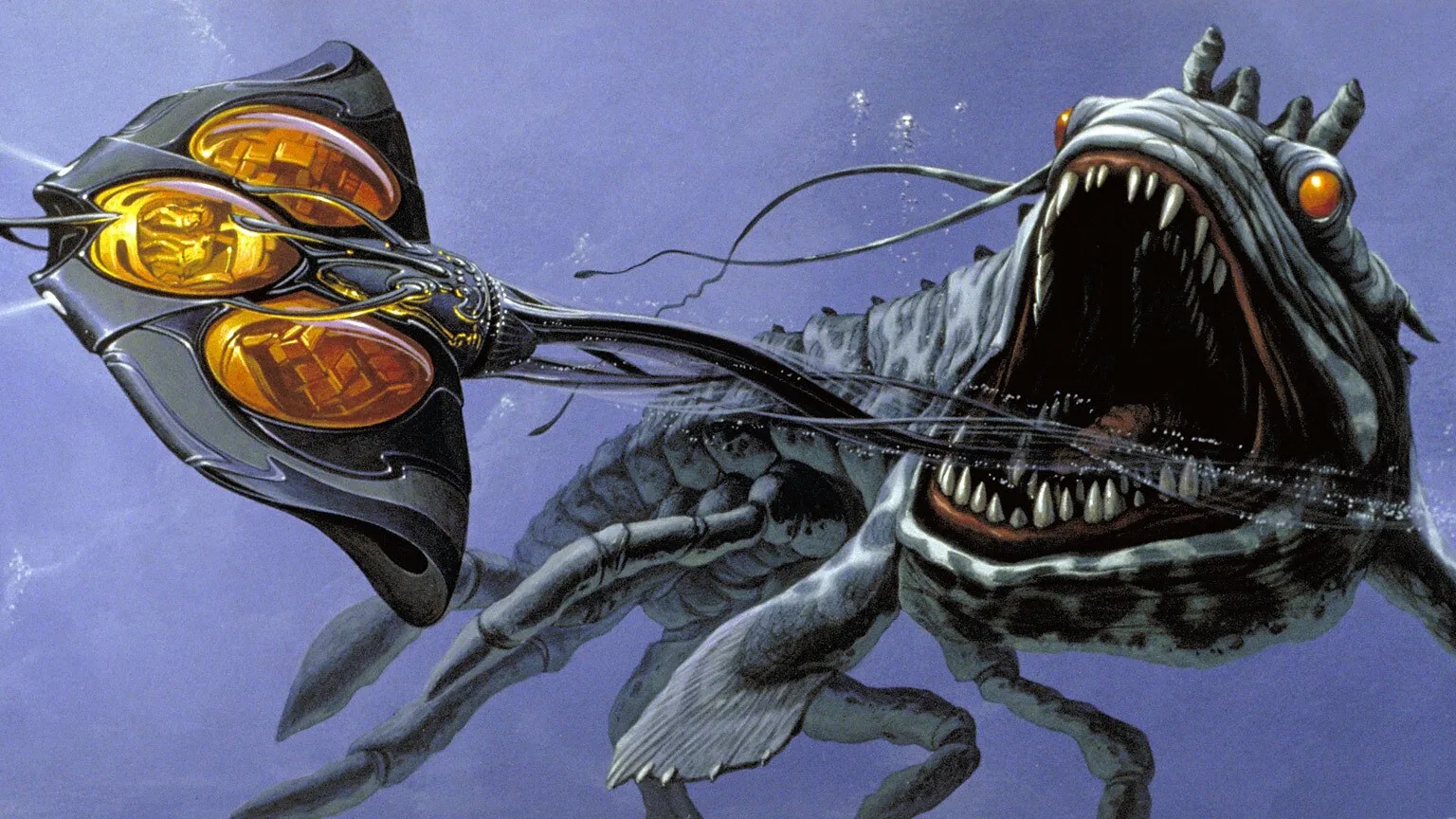
The dianoga takes the opposite approach in A New Hope. In the Death Star’s trash compactor, a tentacle drags Luke into water that conceals the creature. George Lucas removed the sequence’s music, allowing the creature’s noises and movement in the water to be heard more clearly. Sound designer Ben Burtt processed vocals to give the largely hidden threat a voice suited to its surroundings.
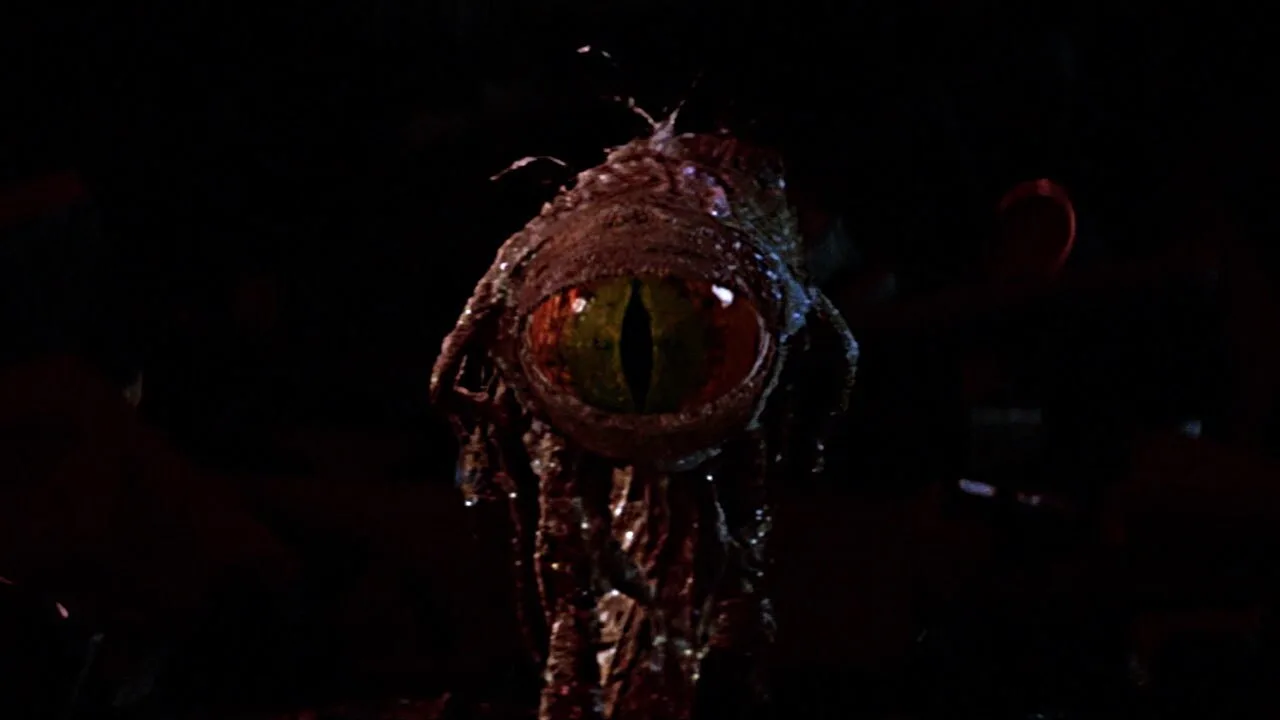
I ring modulated some vocals and added echo because the trash masher was a hollow metal chamber Ben Burtt, in The Sounds of Star Wars, quoted by StarWars.com
A small puppet with enormous presence
The rancor confrontation beneath Jabba’s palace in Return of the Jedi depended on two very different scales. The creature’s full-body shots used an 18-inch puppet on a miniature set built at Industrial Light & Magic by Dave Carson. The hand that grabs Luke was life-size and filmed with Mark Hamill on a stage. Matching those shots made the small puppet and the actor inhabit the same threatening space.
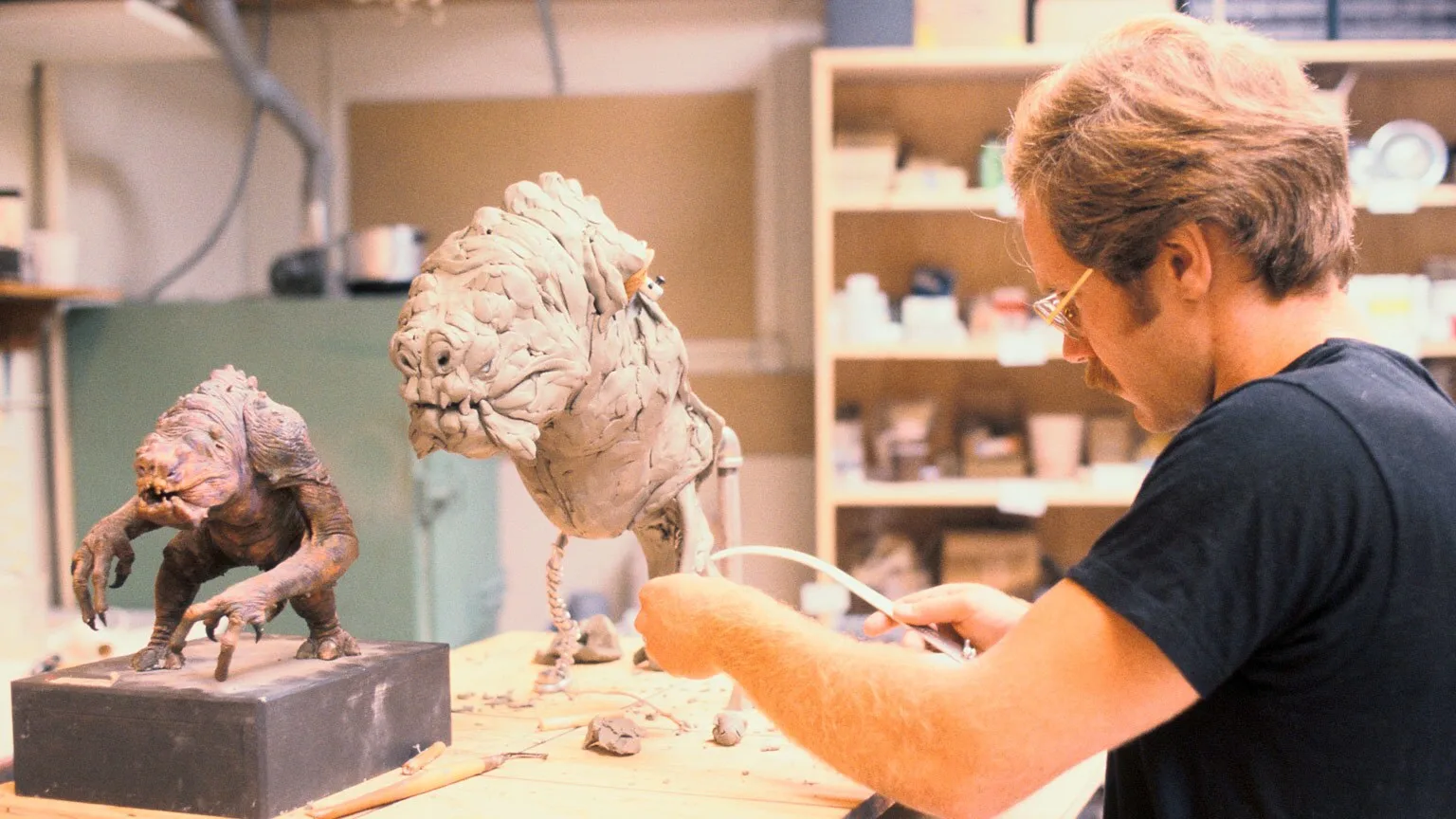
Its roar had an equally unexpected starting point: a dachshund named Max. Burtt recorded the dog’s growls and hisses, then lowered their pitch for the rancor’s roars and howls. A little dog and an 18-inch puppet supplied the ingredients for a monster that could tower over Luke.