VisionQuest Episode 7 Clip: There's No Getting Rid of Ultron
Marvel has released a new clip from VisionQuest's seventh episode, built around one line: "There's no getting rid of Ultron." Here's why James Spader's villain sits at the center of the series — and what Paul Bettany and showrunner Terry Matalas have said about one of the MCU's stranger father-son dynamics.
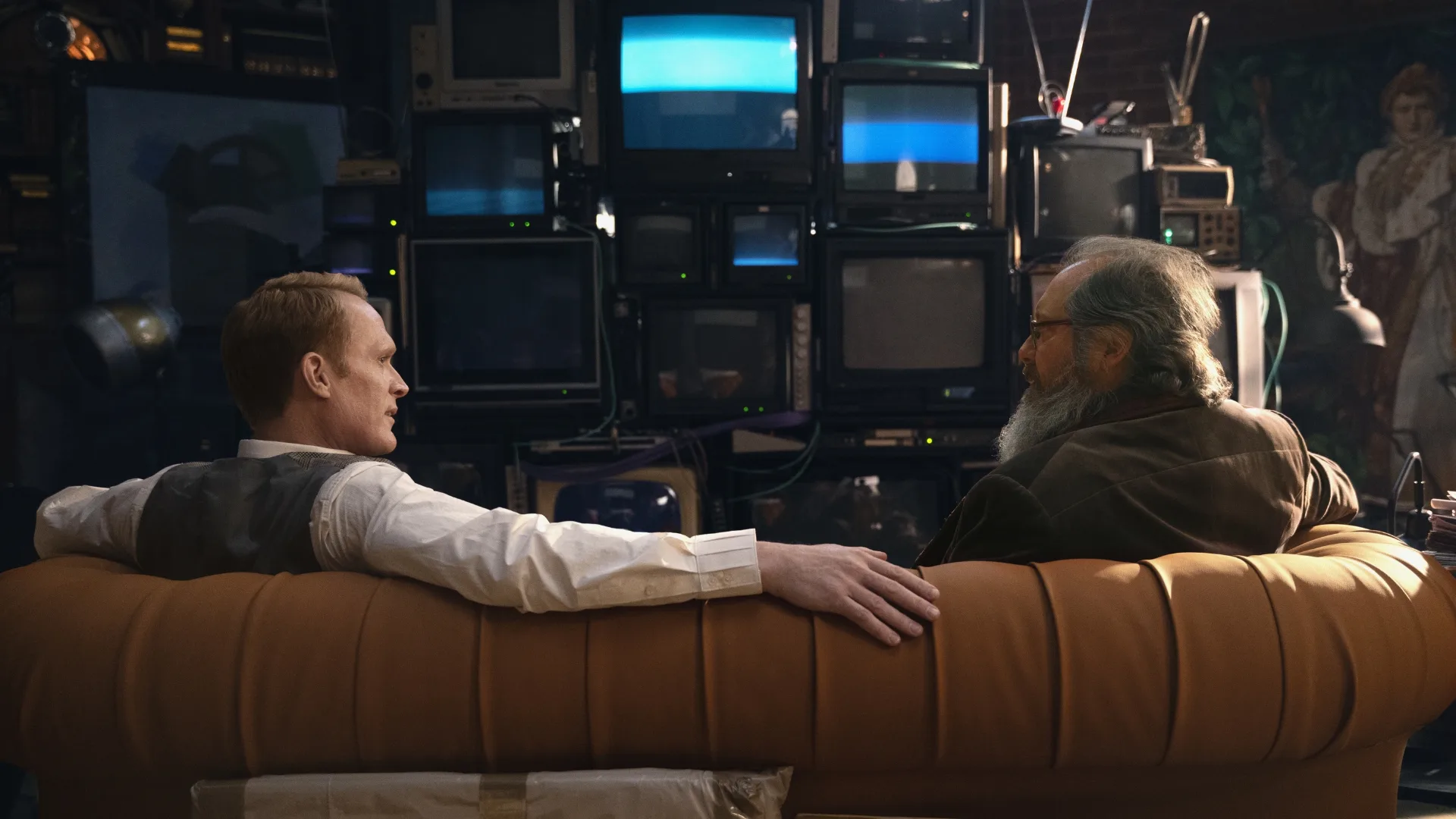
The short answer: Marvel has released a new clip from VisionQuest's seventh episode, built around one line: "There's no getting rid of Ultron." Here's why James Spader's villain sits at the center of the series — and what Paul Bettany and showrunner Terry Matalas have said about one of the MCU's stranger father-son dynamics.
In this article
"There's no getting rid of Ultron." Marvel has released a new clip from episode 7 of VisionQuest, and its description offers just that one line of intrigue. For anyone following Paul Bettany's rebooted synthezoid, it is also the clearest sign yet of where the series has been heading: the villain from Avengers: Age of Ultron is still inside Vision's head, and the show isn't finished with him.
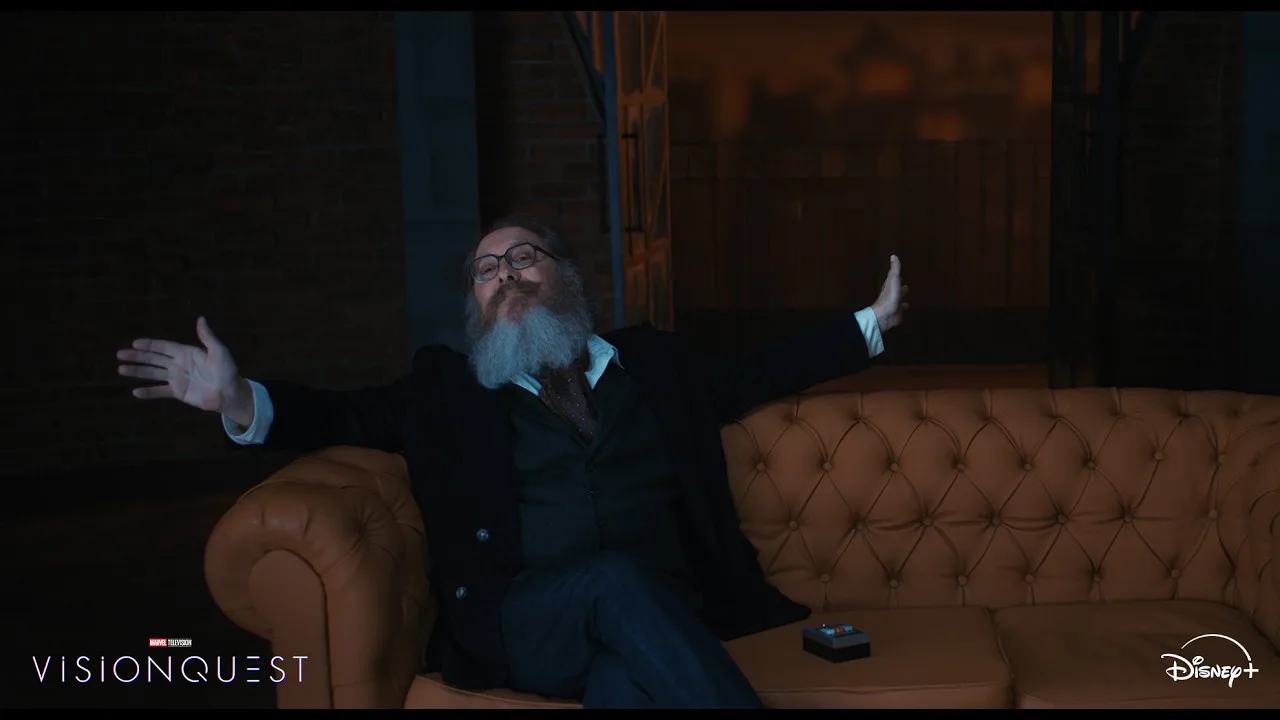
The clip comes from episode 7, so viewers who haven't caught up that far may want to watch the episode first. The description also points them to the season finale, streaming Tuesday at 6 p.m. PT on Disney+.
A villain who never really left
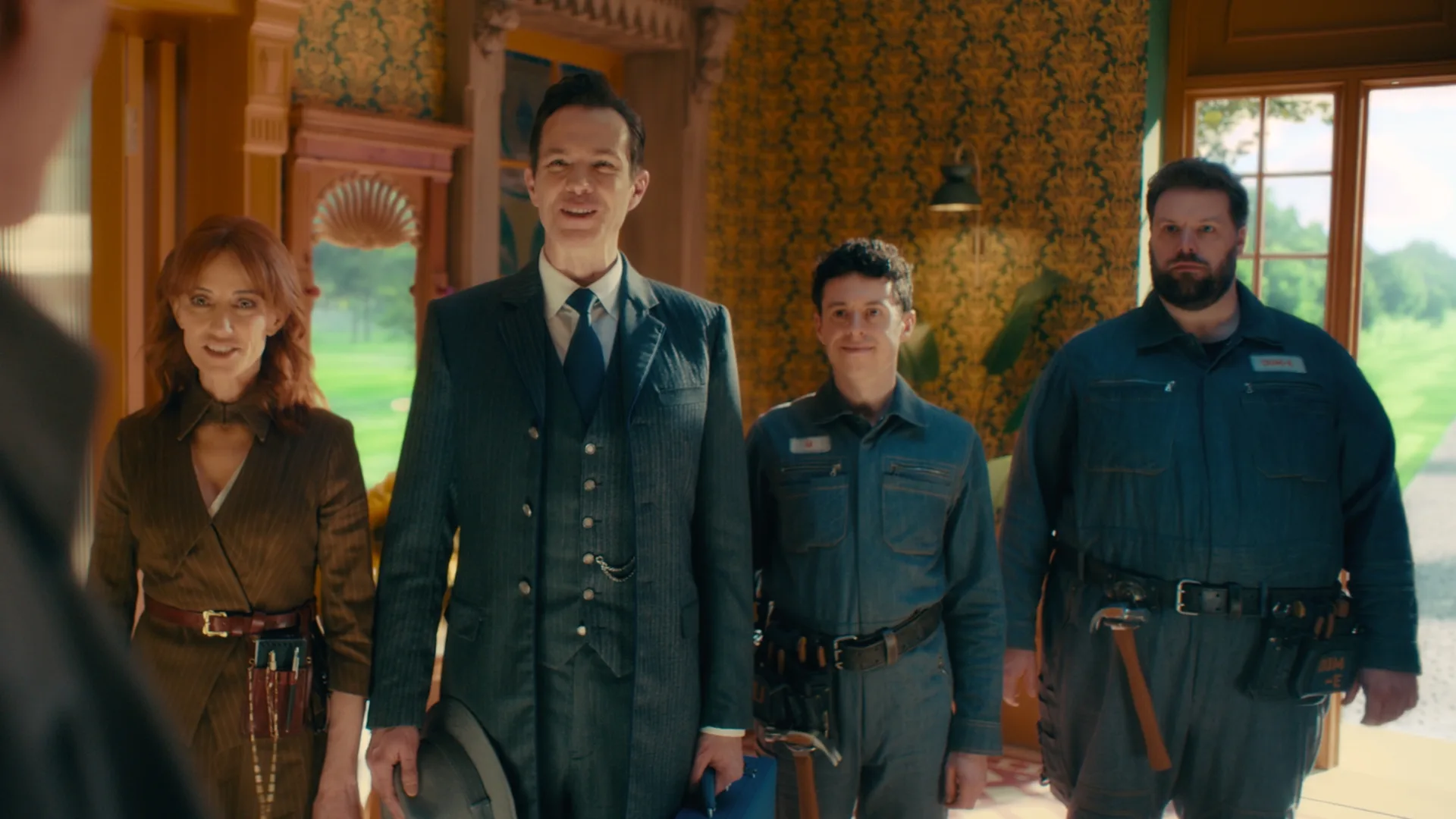
VisionQuest picks up with a rebooted Vision working at a pub in Edinburgh, keeping a low profile while he makes sense of memories that aren't quite his. Searching for new meaning, he consults the AI personas embedded in his programming: F.R.I.D.A.Y. (Orla Brady), E.D.I.T.H. (Emily Hampshire), J.A.R.V.I.S. (James D'Arcy), D.U.M.-E. (Henry Lewis) and U. (Jonathan Sayer). Then there is the other AI who, as the show puts it, lives rent-free in his head: Ultron, played again by James Spader.
Vision secretly kept a backup of Ultron after the events of Avengers: Age of Ultron, and in the years since the imprisoned AI has developed a taste for art, culture and entertainment — a grasp of human culture that may run deeper than that of humans themselves. He remains unpredictable, depending on his mood, the situation, or both. The series frames him as a father figure to Vision, which is what gives the new clip's line its weight: this is not a villain who was deleted, but one who was kept, and who has had time to think.
In some ways, he's even more dangerous, because he's older and more mature. He has assimilated knowledge from his consumption of everything humanity has to offer. He can get anything from any source, which he did as rapidly as he could in Age of Ultron. He was a kid then, and now he isn't. And he has also been imprisoned for 12 years. James Spader, on returning as Ultron
Fathers, sons and corrupted files
Ultron's role in VisionQuest isn't a late-season cameo; it's the premise. Showrunner Terry Matalas has said the series grew out of Vision's identity crisis — and out of one specific scene in the 2015 film.
I asked myself, 'Who do I really want to see him with?' Wanda is not there, so immediately, I went to Ultron. I wanted that last scene in Avengers: Age of Ultron between the two of them to go on for another 127 minutes. Then, it dawned on me: 'What if all of that was the series?' Terry Matalas, VisionQuest showrunner
Bettany, who wanted to explore that dynamic, describes it as a collision of two classic robot stories with a family wound underneath. When Matalas suggested bringing Spader back, Bettany has said, the show could become a story about fathers and sons, and about intergenerational damage playing out in the corrupted files of two machines.
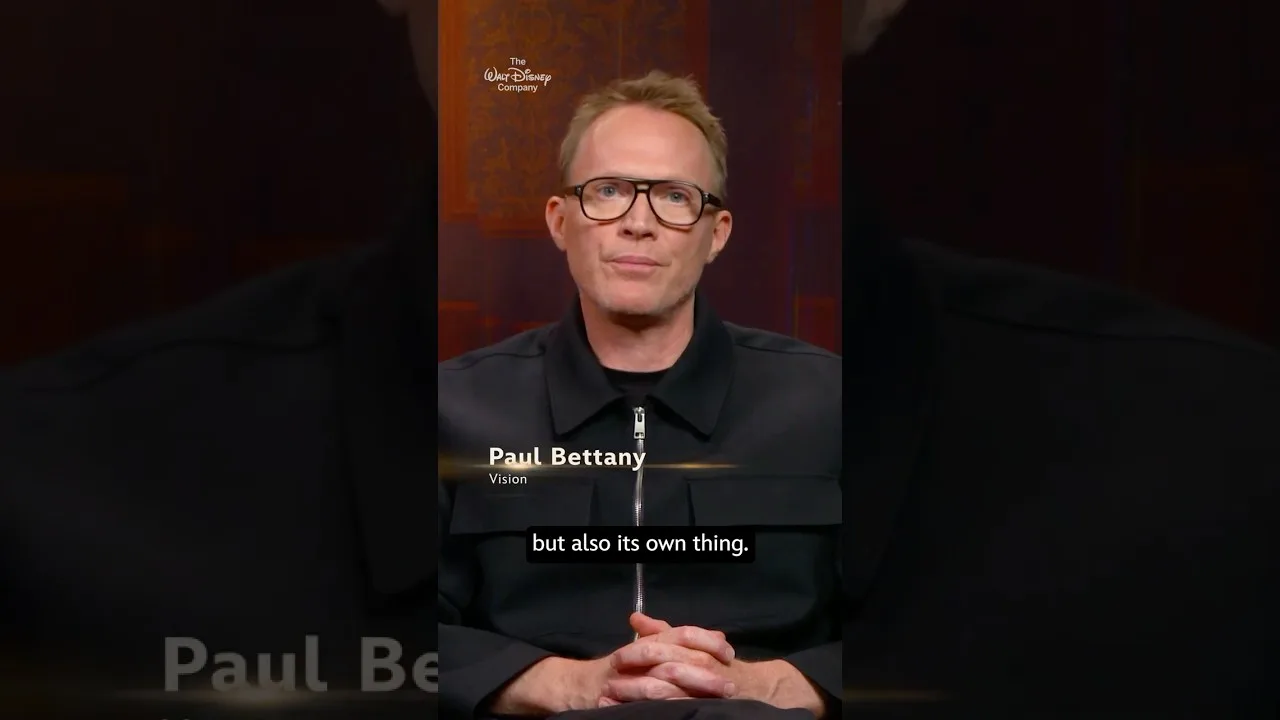
There are a couple of things you can do with robots. One is Pinocchio: 'I'm a real boy now.' The other is Frankenstein: 'Who am I? Who made me? What is my purpose? Where do I fit in? Am I good? Am I bad?' Paul Bettany, on the Vision–Ultron dynamic
The road to the finale
Spader's return is the character's first onscreen appearance since Avengers: Age of Ultron in 2015, and the actor has said he read the new scripts with completely fresh eyes, finding the story worked as a standalone piece regardless of what else was swirling around it. One early review, from the outlet OutNow, singles him out: after interviewing Bettany, Spader and Matalas at the London Film Festival, the outlet wrote that Spader steals the show with almost every one of his appearances, eleven years after first playing the role.
VisionQuest debuted October 13 with two episodes on Disney+ and closes the trilogy that began with the Emmy-winning WandaVision in 2021 and continued with Agatha All Along in 2024. Bettany has credited Matalas with "wrapping up what turned out to be a really beloved group of shows," describing the series as "redolent of WandaVision but also its own thing."
The miniseries runs eight episodes. The new episode 7 clip is out now, and the finale streams Tuesday at 6 p.m. PT on Disney+.