VisionQuest Promo Puts Critics’ Reactions in the Spotlight
Marvel’s streaming promo points viewers to critics’ reactions, while VisionQuest gives Vision’s search for identity an uneasy companion: Ultron.
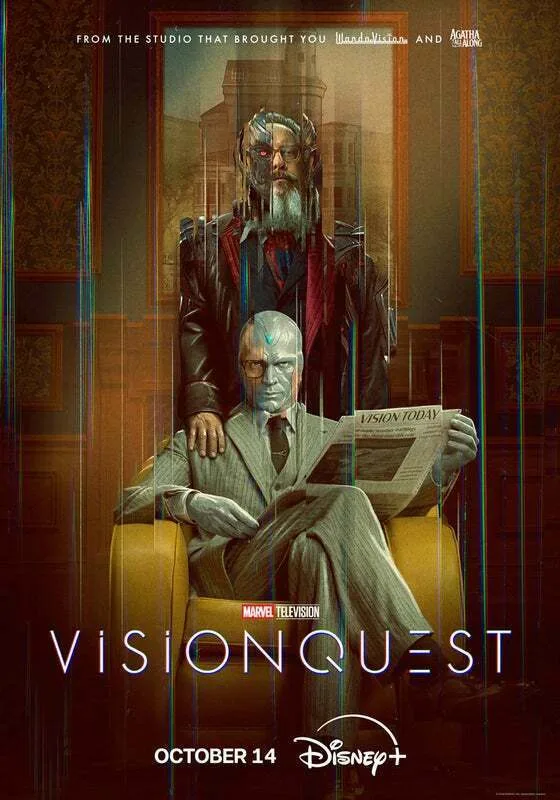
The short answer: Marvel’s streaming promo points viewers to critics’ reactions, while VisionQuest gives Vision’s search for identity an uneasy companion: Ultron.
In this article
Marvel is making critics’ reactions the hook for its VisionQuest streaming pitch. Published on October 17, 2026, the promo invites viewers to see what critics are saying and advertised the first two episodes on Disney+.
For anyone weighing whether to watch, the story begins somewhere quieter than an Avengers battlefield: a pub in Edinburgh. Paul Bettany’s rebooted Vision is working there while keeping a low profile and trying to make sense of memories that aren’t quite his. His search for meaning takes him inward, to the artificial intelligences embedded in his programming—including James Spader’s Ultron.
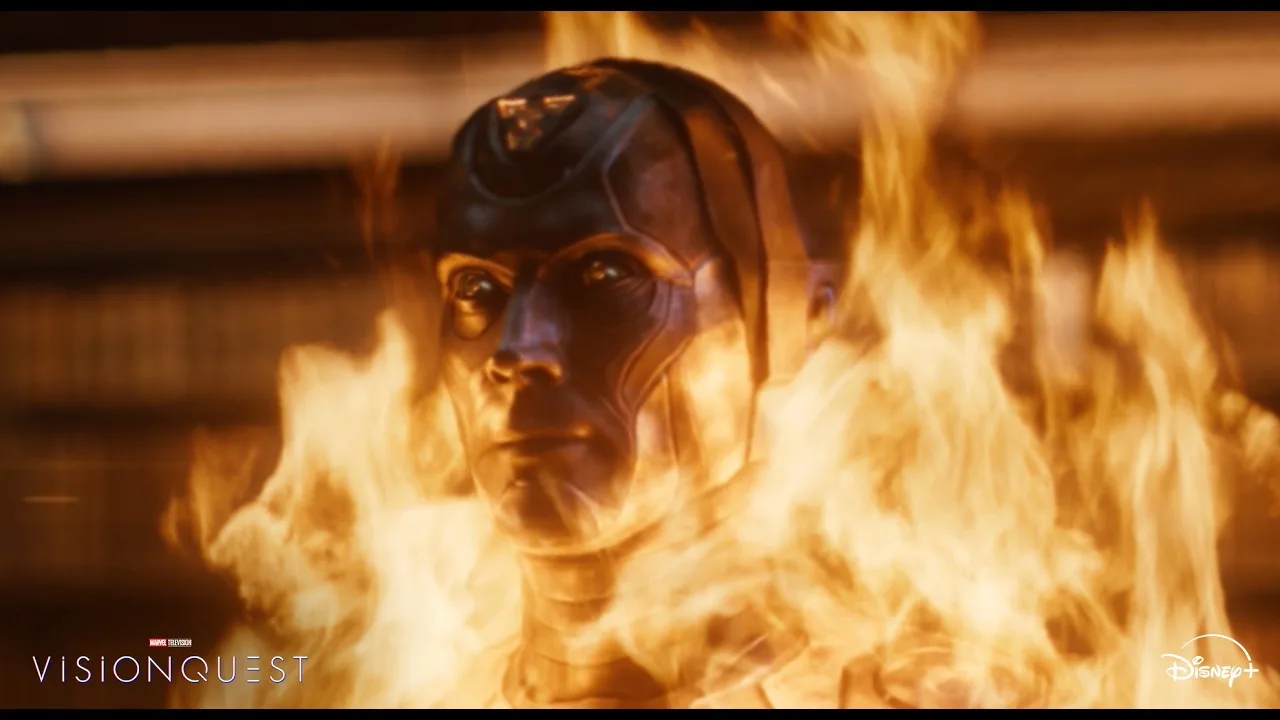
An identity crisis with company
VisionQuest concludes the television trilogy that began with WandaVision and continued with Agatha All Along. Vision has gone into hiding after escaping people who sought to turn him into a weapon. Familiar AI personalities, including J.A.R.V.I.S., F.R.I.D.A.Y. and E.D.I.T.H., become part of his effort to find a new purpose.
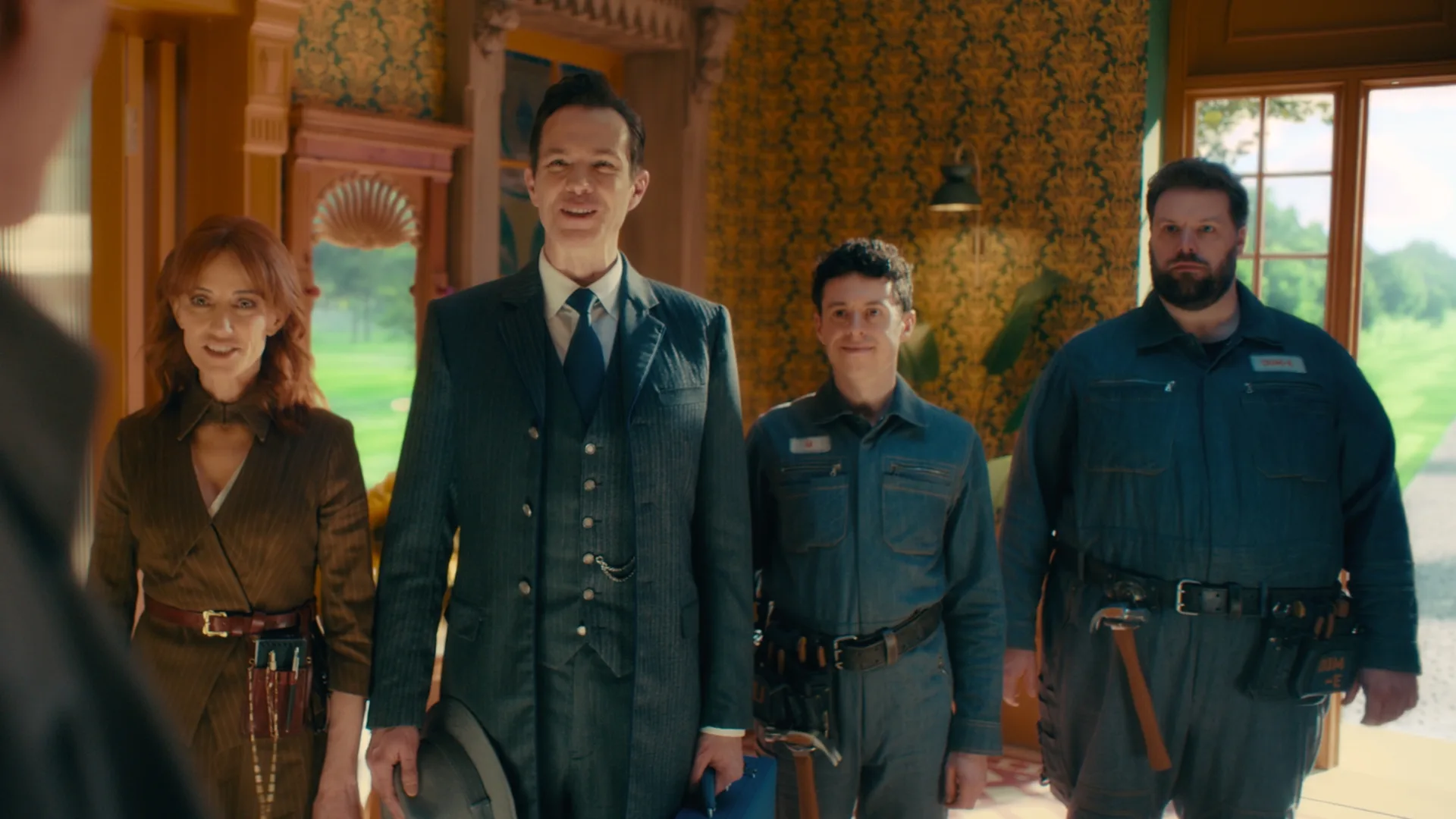
Showrunner Terry Matalas told D23 that the central pairing grew from his desire to extend Vision and Ultron’s final encounter in Avengers: Age of Ultron. Rather than treating that conversation as a closed chapter, he saw the possibility of building a series around the two characters.
This is a story of a guy going through an identity crisis, and when you go through that, you spend a lot of time in your own head. I’ve certainly been there. Terry Matalas, speaking to D23
More human, not necessarily safer
Bettany described the idea to D23 through two familiar stories: Pinocchio’s wish to become a real boy and Frankenstein’s questions about creation, purpose and belonging. For him, bringing Ultron into that framework opened a way to explore fathers, sons and inherited damage through the corrupted files of artificial beings.
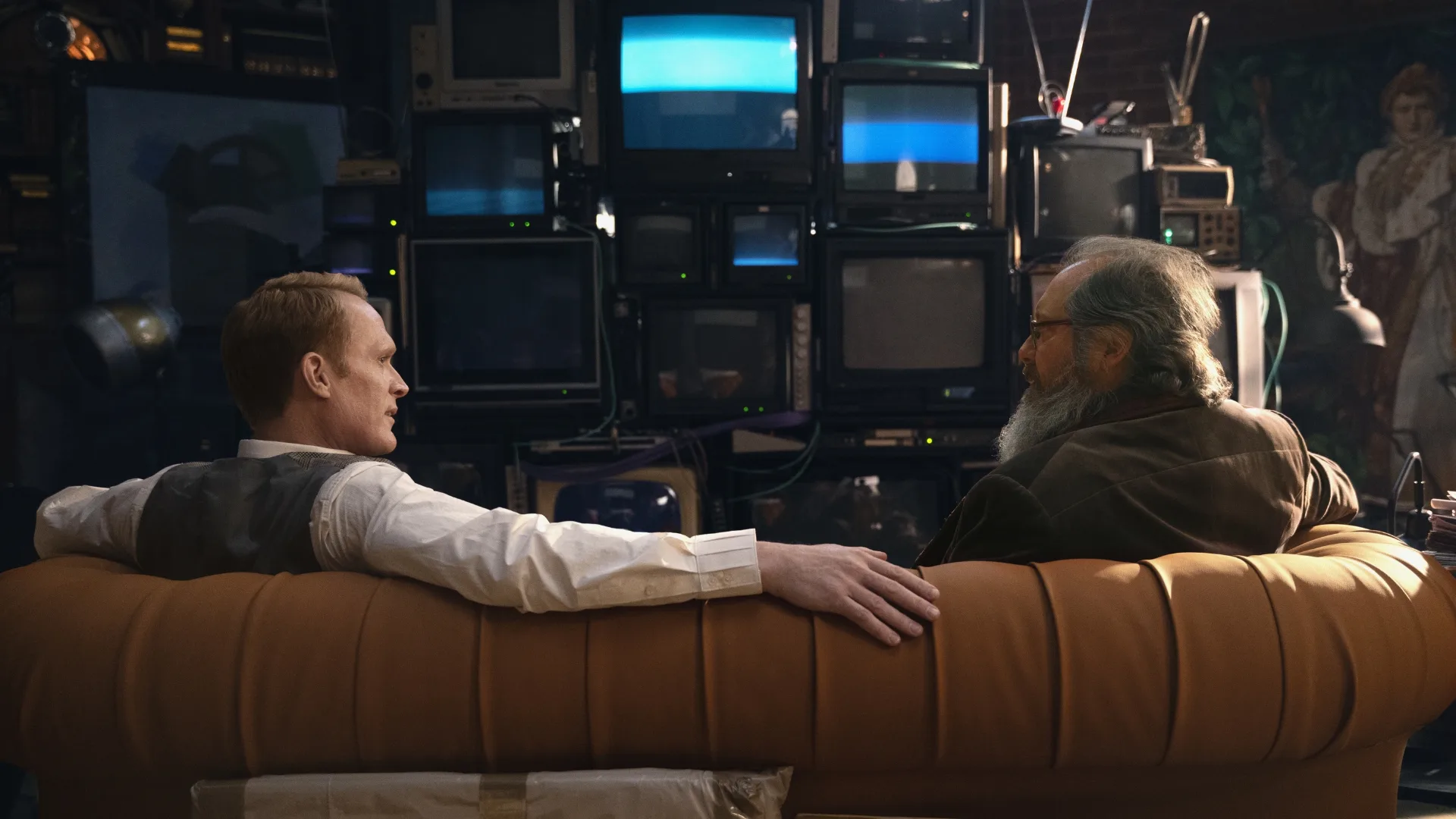
Spader offers a similarly complicated view of Ultron’s evolution. In an interview published by ComicBook.com on October 19, 2026, he said the character has acquired a sense of humanity he lacked in Age of Ultron. Yet his relationship with people remains conflicted and changes with his mood. In Spader’s account, a better understanding of humanity has not settled Ultron’s feelings about it.